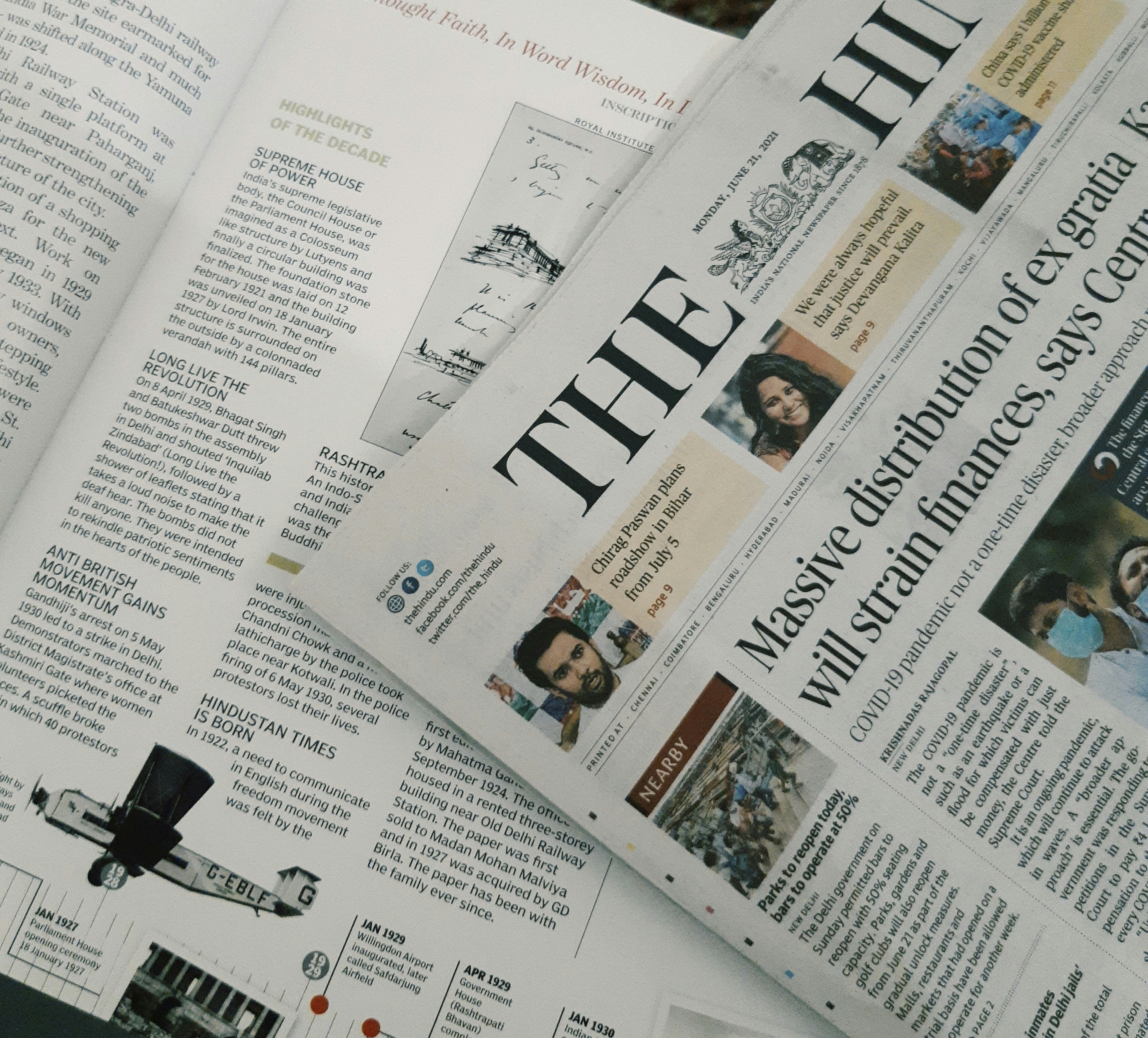
Introduction to Sub-Editing
Sub-editing plays a critical role in the realm of mass communication, acting as a crucial intermediary step in the publishing process. It involves the meticulous review of text to ensure that it aligns with established standards of accuracy, clarity, and coherence. While editing generally encompasses a broader scope that may include content alterations and structural changes, sub-editing is more focused on refining the text without fundamentally altering its inherent message.
The essence of sub-editing lies in its ability to enhance the quality of written communication. A sub-editor meticulously scrutinizes articles, reports, and other written materials, ensuring that they are free from errors while also making sure they adhere to style guides and formatting standards. This means correcting grammatical mistakes, ensuring proper punctuation, and verifying facts—all essential tasks that contribute significantly to the integrity of journalism and publishing.
Moreover, sub-editing is pivotal in enhancing the readability of content. By refining prose and improving sentence structure, sub-editors facilitate a smoother reading experience for audiences. Clear and concise communication is essential in mass communication, where complex ideas must be conveyed simply and effectively. Furthermore, sub-editors often play a key role in maintaining a publication’s voice and tone, ensuring consistency across various pieces of content.
The importance of sub-editing extends beyond mere error correction. It safeguards the credibility of a publication, serving as an assurance that the information presented is reliable and clearly articulated. In an age where misinformation can readily proliferate, the function of sub-editors becomes even more vital for preserving journalistic integrity. Cultivating a keen eye for detail and a profound understanding of language and style, sub-editing stands as an indispensable art within mass communication.
Key Responsibilities of a Sub-Editor
Sub-editors play a crucial role in the publishing process, ensuring that content is not only engaging but also accurate and appropriate for its intended audience. One of the primary responsibilities of a sub-editor is to correct grammar and punctuation, which is essential for maintaining the reader’s trust and the publication’s credibility. This task involves a keen eye for detail as sub-editors review articles for grammatical errors, typos, and punctuation mistakes, ensuring that the text conveys the intended meaning clearly and professionally.
Additionally, sub-editors are tasked with verifying facts and figures included in the articles. This responsibility is particularly important in the context of mass communication, where misinformation can lead to significant repercussions. A sub-editor must conduct thorough research to confirm the accuracy of statistics, quotes, and any other information utilized in the piece. This diligent fact-checking process safeguards the integrity of the published material and upholds journalistic standards.
Another vital responsibility is ensuring adherence to established style guidelines. Each publication typically has its own style manual that dictates specific preferences related to language, formatting, and citation styles. Sub-editors must familiarize themselves with these guidelines and ensure that all articles comply. This consistency in style enhances the professionalism of the publication and aids in establishing a recognizable brand identity.
Moreover, making content suitable for the target audience is another essential duty of sub-editors. Understanding the readership allows sub-editors to tailor content, making it accessible and relevant. This may involve adjusting the tone, altering complex jargon, or emphasizing key points that resonate with the audience. By doing so, sub-editors contribute significantly to the overall quality of the material published, fostering a deeper connection between the content and its readers.
Tools and Techniques Used in Sub-Editing
Sub-editing, a crucial practice in the field of mass communication, employs a variety of tools and techniques that help ensure the clarity, accuracy, and overall quality of content. In the realm of traditional sub-editing, one commonly utilized method is the application of proofreading marks. These marks provide a universal language that sub-editors and writers understand, helping to communicate necessary adjustments directly on the manuscript.
In addition, style manuals play a pivotal role in the sub-editing process by offering guidelines on grammar, punctuation, citation, and formatting specific to different publications. Resources like the Associated Press (AP) Stylebook or the Chicago Manual of Style serve as indispensable references for sub-editors, ensuring consistency across texts.
However, the landscape of sub-editing has evolved significantly with the advancement of technology. Modern digital tools have transformed how sub-editors perform their tasks. Editing software, like Grammarly or Hemingway Editor, assists in identifying grammatical errors and enhancing readability. Such tools not only detect commonplace mistakes but also suggest stylistic improvements, thereby streamlining the editing process.
Moreover, content management systems (CMS) such as WordPress or Contentful have further revolutionized sub-editing. These platforms enable sub-editors to collaborate seamlessly with writers, maintain version control, and manage workflows efficiently. The integration of these digital tools facilitates real-time editing and feedback, considerably speeding up the publication process.
As the field of mass communication continues to evolve, embracing both traditional and modern tools is essential for effective sub-editing. The combination of established methods and contemporary technology equips sub-editors with the necessary skills to navigate the complexities of content creation while maintaining high editorial standards.
Challenges and Opportunities in Sub-Editing
Sub-editing plays a crucial role in the media landscape, yet it comes with a unique set of challenges, particularly in the current fast-paced environment. One of the primary challenges sub-editors face is the pressure of tight deadlines. With the demand for timely news and content, sub-editors must work efficiently to ensure accuracy and consistency without compromising quality. This necessity often leads to a high-stress atmosphere, where the ability to perform under pressure becomes paramount.
Another significant challenge is the evolving nature of digital media. In today’s tech-savvy world, sub-editors must possess a substantial level of digital literacy. This includes not only proficiency in traditional editing skills but also an understanding of various digital platforms and tools. Familiarity with SEO practices, multimedia content integration, and the implications of social media is becoming increasingly essential. Consequently, sub-editors must continually upgrade their skills to remain relevant in their field.
Despite these challenges, there are ample opportunities for growth within the role of a sub-editor. The rise of new media channels offers sub-editors the potential to expand their expertise into areas such as content strategy and audience engagement. Embracing innovative technologies can enhance storytelling capabilities, making the role more dynamic and rewarding. Additionally, with the increasing convergence of various media forms, sub-editors have the unique opportunity to contribute to broader communication strategies, thereby influencing how information is conveyed and consumed.
As the sub-editing landscape continues to evolve, it invites reflection on several thought-provoking questions: How can sub-editors balance speed with quality in their work? What skills are essential for future success in this field? And how can they leverage media convergence to enhance their role? These considerations may help shape the future of sub-editing in mass communication.